English
 français
 Deutsch
 русский
 italiano
 español
 português
 Nederlands
 العربية
 日本語
 한국의
 Türkçe
 Polski
 slovenský
 Indonesia



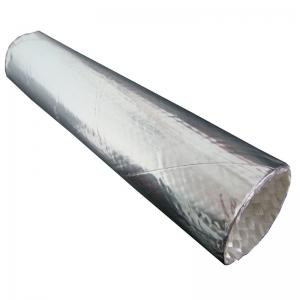
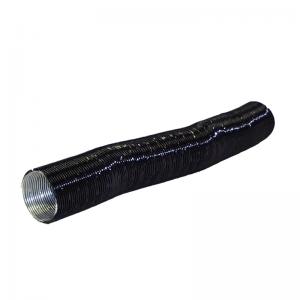
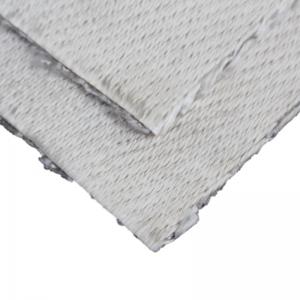
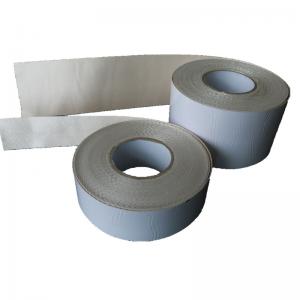
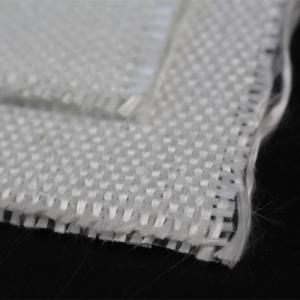
Pollution-control equipment often combines elevated gas temperatures, thermal cycling, vibration and repeated maintenance access. Doors, inspection panels, duct flanges and removable covers therefore need a gasket that matches the actual joint geometry as well as the process environment.
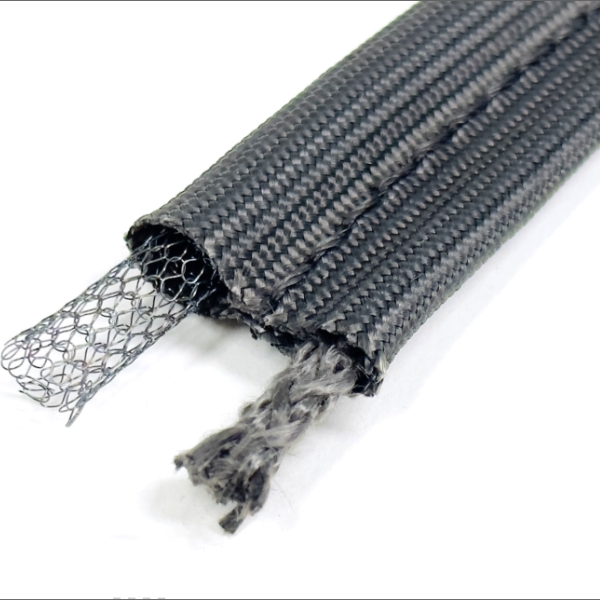
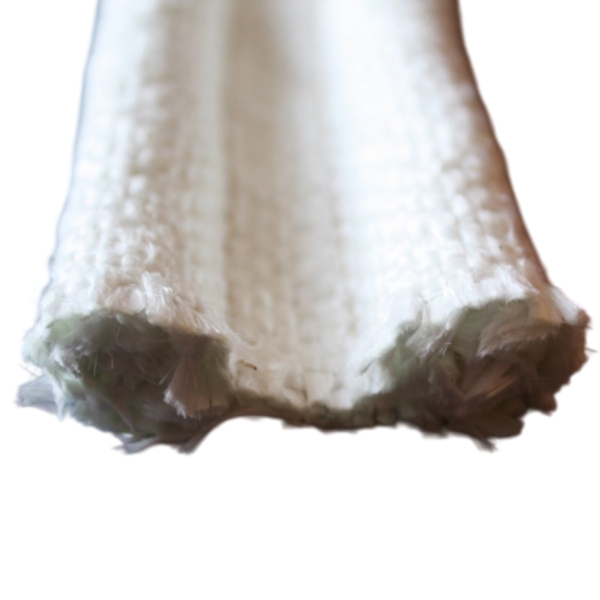
A tadpole gasket for pollution control systems can be considered where a compressible bulb is required at the sealing line and an extended textile tail can be mechanically retained on the equipment. The bulb provides the contact section, while the tail provides an area for mechanical attachment.
The correct construction is not determined by the equipment name alone. A thermal oxidizer access door, an exhaust silencer casing and a dust-collection duct flange may all belong to a pollution-control system, but their temperatures, pressure conditions, movement, exposure and mounting arrangements can be very different.
BSTFLEX manufactures custom tadpole gaskets and high-temperature tadpole seals using different textile covers and core constructions. Profiles can be developed for industrial equipment from drawings, dimensions or existing samples, subject to review of the complete service conditions.
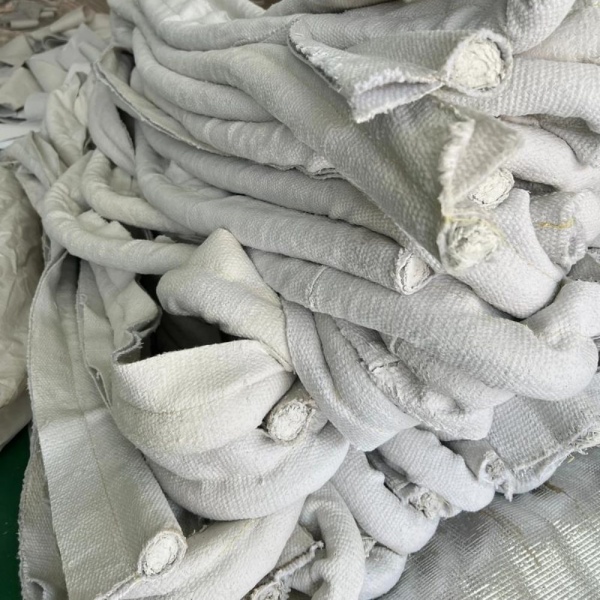
Where Tadpole Gaskets Are Used in Pollution-Control Equipment
A tadpole profile is most relevant where equipment has a door, cover, access opening or joint that needs a compressible perimeter seal. The bulb provides the sealing contact, while the tail provides a dedicated mounting section.
This arrangement can be useful when a flat gasket strip alone cannot provide the required profile or when the gasket needs to be positioned by a retaining plate, clamping bar or channel.
Thermal Oxidizers and Fume Incinerators
Thermal oxidizers and fume incinerators handle process streams that may be hot, chemically complex or subject to changing operating conditions. Potential gasket locations include burner access doors, inspection openings, removable panels and casing joints.
Before selecting a textile seal, establish the temperature at the gasket itself, not simply the combustion-chamber setpoint.
The review should identify whether the seal is exposed to hot-gas leakage, radiant heat, direct contact with heated metal, condensate during shutdown or chemical constituents in the process stream. These conditions may differ between the hot-side and cold-side edges of the same access door.
Emission-Control Equipment and Duct Access Panels
Emission-control systems can include ducts, dampers, inspection doors, filter housings and removable access covers. A tadpole gasket may be considered where a bulb-and-tail section fits the joint and the mounting hardware can retain the tail without obstructing bulb compression.
Duct applications require particular attention to pressure differential, gas composition, vibration and allowable leakage.
A textile tadpole gasket should not automatically be described as gas-tight, emissions-certified or pressure-rated. Those properties must be established for the complete joint through the equipment design and applicable validation tests.
Exhaust Silencers and Turbine Silencer Enclosures
Exhaust silencers and turbine silencer enclosures can contain removable panels or casing sections that require thermal sealing. Relevant design factors include exhaust temperature at the joint, acoustic enclosure movement, vibration, panel removal frequency and the available clamping force.
The gasket must fit the actual contact geometry. A bulb that is too large can increase closure load or become overcompressed; a bulb that is too small may not maintain contact across the joint.
Where vibration is present, the retention method and resistance to movement should be reviewed along with the cover and core.
Power-Generation Exhaust and Plenum Components
Power-generation equipment may include hot-air plenums, exhaust transitions, inspection covers and removable access sections. These locations can experience temperature gradients and structural movement.
The designer should identify the direction and amount of movement expected at the gasket line and confirm that the tail attachment does not restrict the bulb's intended compression.
Pulp-and-Paper Process Hatches and Industrial Access Covers
Process hatches and inspection covers in pulp-and-paper or other process industries may be exposed to moisture, deposits, cleaning chemicals and intermittent heat.
Material selection should therefore consider the full exposure rather than choosing a cover solely by its nominal temperature capability.
How to Specify a Tadpole Gasket for Pollution-Control Systems
Start with the joint and process data. A useful specification separates the cover material, internal core, bulb dimensions, tail dimensions, mounting method and service conditions.
This prevents a general description such as "high-temperature door gasket" from hiding important engineering differences.
| Specification Item | Information to Record | Why It Matters |
|---|---|---|
| Gasket Location | Thermal oxidizer door, duct flange, silencer panel, plenum cover or inspection hatch | Defines the joint function and exposure zone. |
| Temperature | Continuous temperature, peak temperature and peak duration at the gasket location | Allows the complete cover, core, stitching and auxiliary materials to be reviewed. |
| Process Medium | Gas composition, condensate, dust, oils, cleaning agents or other known contaminants | Identifies chemical and environmental compatibility questions. |
| Pressure and Leakage | Pressure differential and specified leakage or containment requirement | Prevents unsupported assumptions about gas-tight or pressure-rated performance. |
| Bulb Dimensions | Free bulb height and width, or diameter for a round section | Defines the compressible sealing profile. |
| Tail Dimensions | Tail width, thickness and retaining arrangement | Confirms that the gasket can be secured without restricting the bulb. |
| Installed Gap | Minimum and maximum closed gap around the joint | Shows the range of compression required in service. |
| Movement and Vibration | Thermal movement, vibration, sliding contact and opening frequency | Helps assess cover wear, retention and profile stability. |
| Supply Requirement | Prototype quantity, cut length or finished frame, and production quantity | Defines the manufacturing and supply requirement. |
Choose the Cover Material for the Actual Exposure
The cover is the exposed textile surface. It may contact hot metal, experience radiant heat, rub against a frame or be exposed to process contamination.
A material that is suitable for one location in a pollution-control system may not be suitable for another.
Fiberglass Covers
Fiberglass fabric can be considered for industrial access doors and thermal enclosures where the verified service conditions fall within the capability of the complete gasket construction.
The finished performance depends on the fabric grade, core, stitching, installation and exposure.
For different fiberglass core arrangements, review these BSTFLEX products:
- Fiberglass Cover Fiberglass Core Tadpole Gasket
- Fiberglass Cover Stainless Steel Core Tadpole Gasket
- Fiberglass Cover Stainless Steel Hollow Core Tadpole Gasket
These are different core constructions, not interchangeable versions of one specification.
Silica Cloth Covers
Silica cloth can be evaluated for applications requiring a higher-temperature textile cover than the selected fiberglass construction can provide. The internal core still needs its own thermal and mechanical review.
BSTFLEX offers a Silica Cloth Cover Inconel Core Tadpole Gasket and a Silica Cloth Covered Ceramic Core Tadpole Gasket.
The first combines silica textile with a metallic core; the second uses a ceramic core. The final choice depends on the actual joint conditions.
Ceramic Fabric Covers
Ceramic fabric constructions may be considered for demanding thermal equipment where the exposed textile must be selected for severe heat conditions. Core selection remains a separate decision.
Available BSTFLEX product references include:
- Ceramic Fabric Cover Ceramic Core Tadpole Gasket
- Ceramic Fabric Cover Inconel Core Tadpole Gasket
- Inconel Stocking Ceramic Fabric Cover Ceramic Core Tadpole Gasket
The Inconel stocking construction adds an external metallic protective structure and should be evaluated where surface wear is part of the application.
Basalt and Other Specialty Covers
Basalt fabric and other specialty textile covers can be considered when their verified material properties match the exposure.
For example, the Basalt Fabric Cover Wire Mesh Core Tadpole Gasket combines a basalt textile cover with a wire-mesh core.
Do not assume that basalt, fiberglass, silica and ceramic fabrics have identical temperature limits or chemical compatibility.
Core Selection: Compression, Support and Recovery
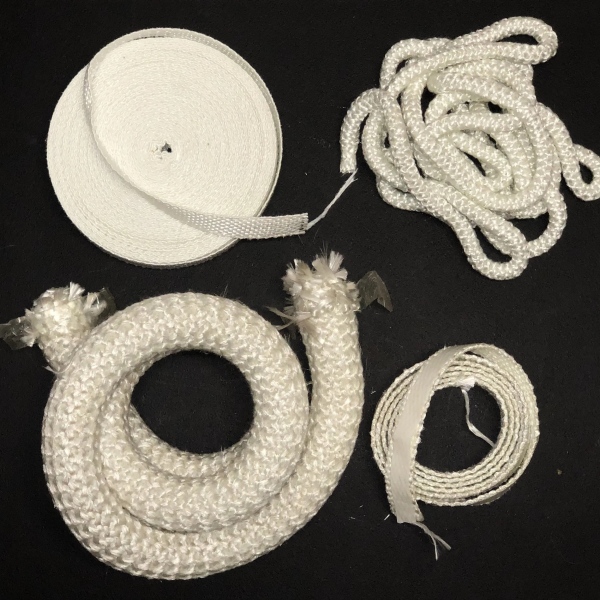
The core influences how the bulb deforms when the access door or panel closes. Fiber cores, ceramic cores and metallic mesh cores can behave differently under the same nominal bulb dimensions.
Core material alone is not enough to predict closing force; core density, geometry, wire construction, cover tension and bulb size also matter.
Fiber and Ceramic Cores
Fiber-based cores can be considered where a non-metallic internal construction is required. Their compression behavior depends on fiber type, density and construction.
A ceramic core should not automatically be described as a rope core unless the actual internal component is manufactured in rope form.
Stainless Steel Mesh Cores
Stainless steel mesh can provide internal metallic reinforcement. Its behavior depends on alloy, wire diameter, knit or mesh geometry and density.
It should be assessed under the intended compression and temperature conditions rather than assumed to have one universal recovery characteristic.
Hollow Metallic Cores
A hollow metallic core has an open-center structure that provides space for deformation. It may be considered where the joint requires a different compression response or has limited closing force.
The usable compression range and resistance to permanent collapse must be checked for the actual construction.
Inconel Cores
Inconel core constructions may be evaluated where the metallic reinforcement itself must operate under demanding thermal conditions.
The alloy and mesh construction should be specified where known. A high-temperature core does not automatically make the complete gasket suitable for every process gas or exposure.
Pollution-Control Gasket Design: Pressure and Leakage Are Separate Requirements
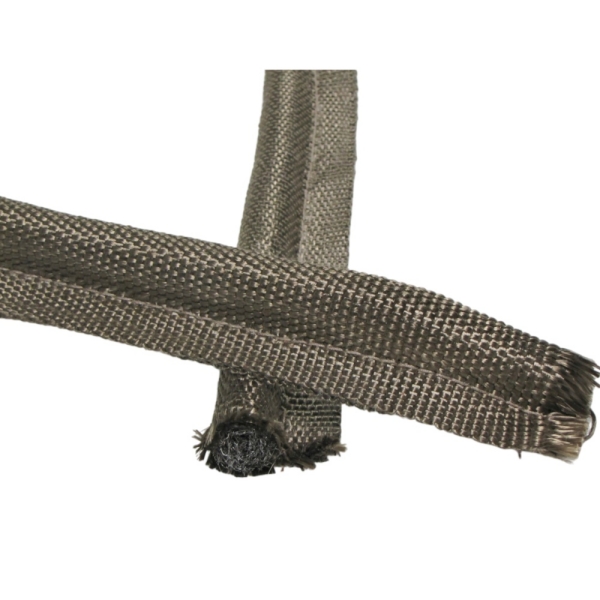
A textile tadpole gasket provides a compressible contact profile, but the presence of a bulb does not establish a particular leakage class.
Pollution-control equipment may have defined process-containment, emissions or pressure requirements. These must be stated by the equipment designer and validated at the joint level.
For a duct flange or access panel, provide the design pressure differential, allowable leakage, gas temperature and test method. Also identify whether the gasket is expected to seal static joints only or whether it experiences repeated movement.
Where emissions containment is safety- or regulatory-critical, the selected gasket must be part of an appropriately engineered and tested joint